
The Misonori Model
A Proven Concept, Built to Repeat.
Misonori isn't built around a single restaurant. It's built around a repeatable approach to developing hospitality concepts, one that identifies where a market is underserved and builds something difficult to compare to anything already there. Amata Modern Thai is the first proof of that approach. It won't be the last.
- Las Vegas restaurants, Review-Journal
- Top 100
- followers in year one
- ~12k
- steps, built to repeat
- 5
How Misonori Builds
With Amata, Misonori started with a familiar observation. Las Vegas has no shortage of Thai restaurants, but much of the market competes inside the same formula: similar dishes, similar presentation, similar experience. Even as price and reputation changed, the underlying concept usually stayed traditional. Rather than compete inside that saturated space, Misonori set out to create a new lane. That approach follows five steps.
Identify the White Space
Start with established dining categories that have proven demand, but where the concepts have grown repetitive or underserved. Thai food wasn't missing from Las Vegas. A modern, design-forward, highly experiential version of it, built for locals, was.
Differentiate the Product
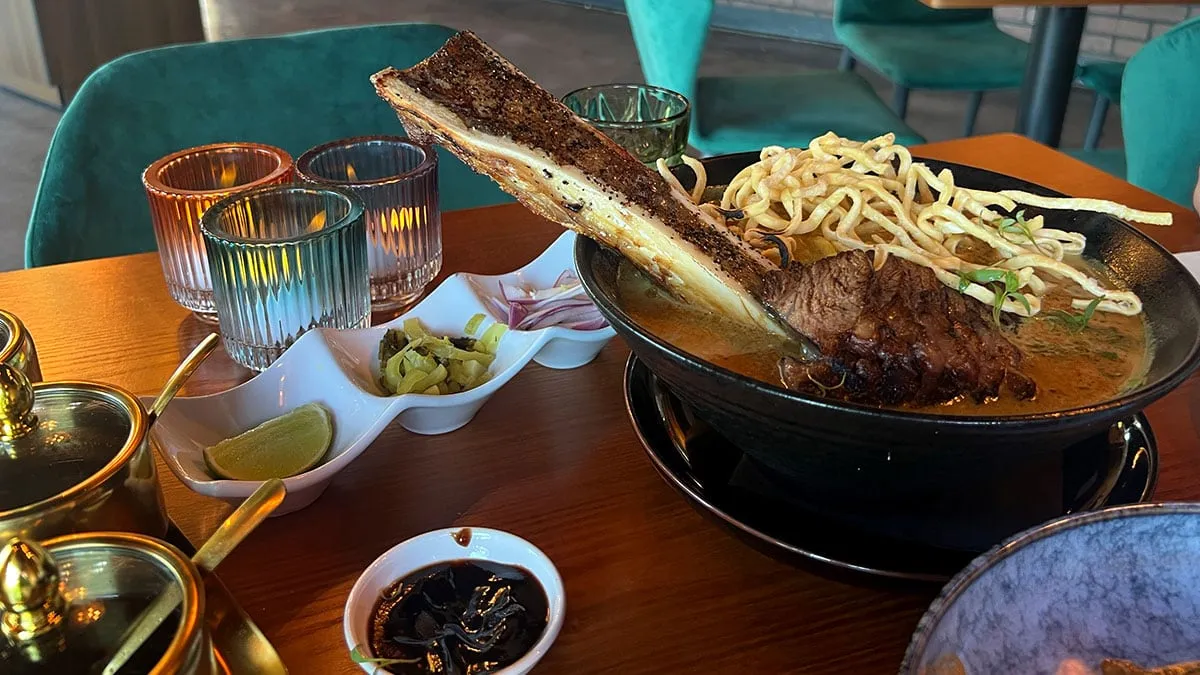
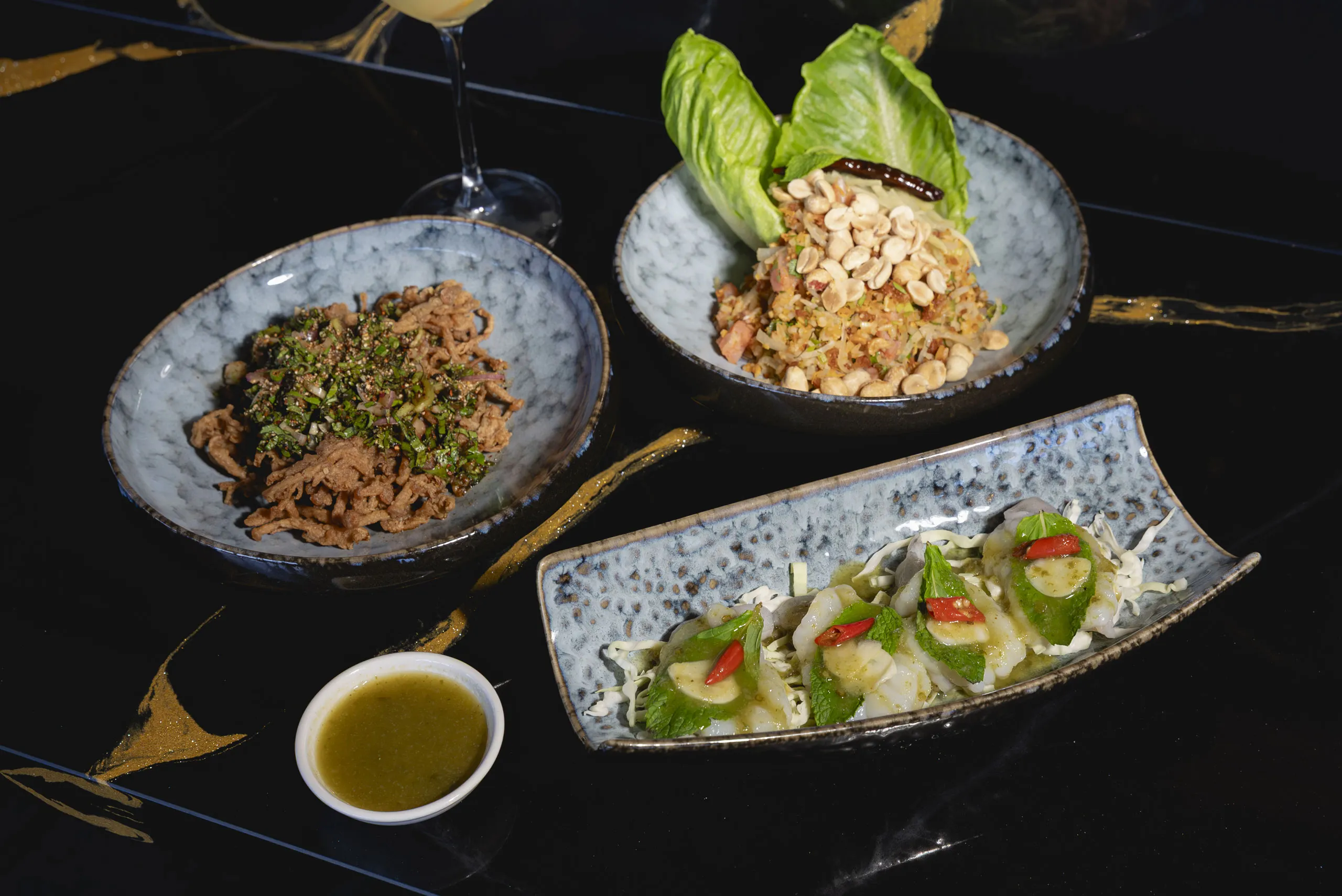
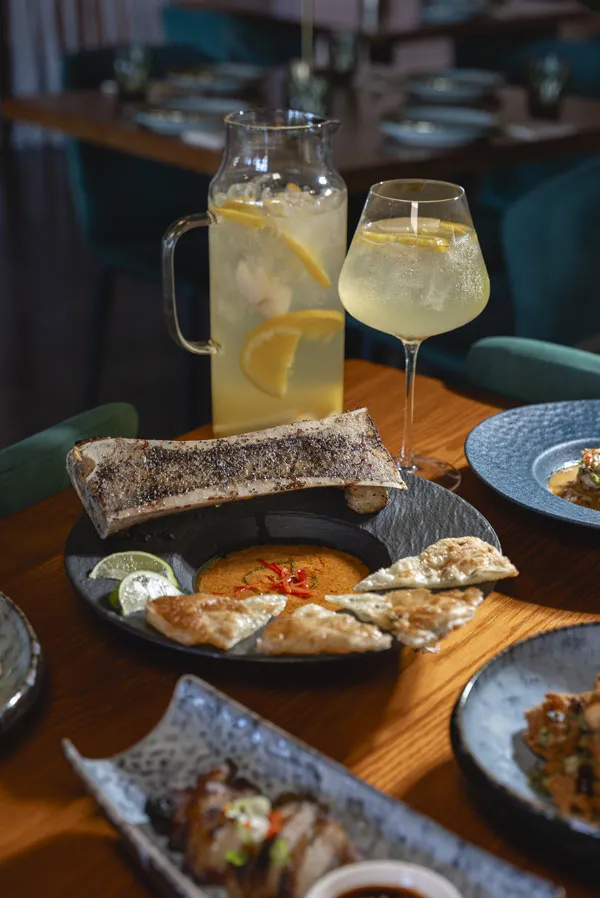
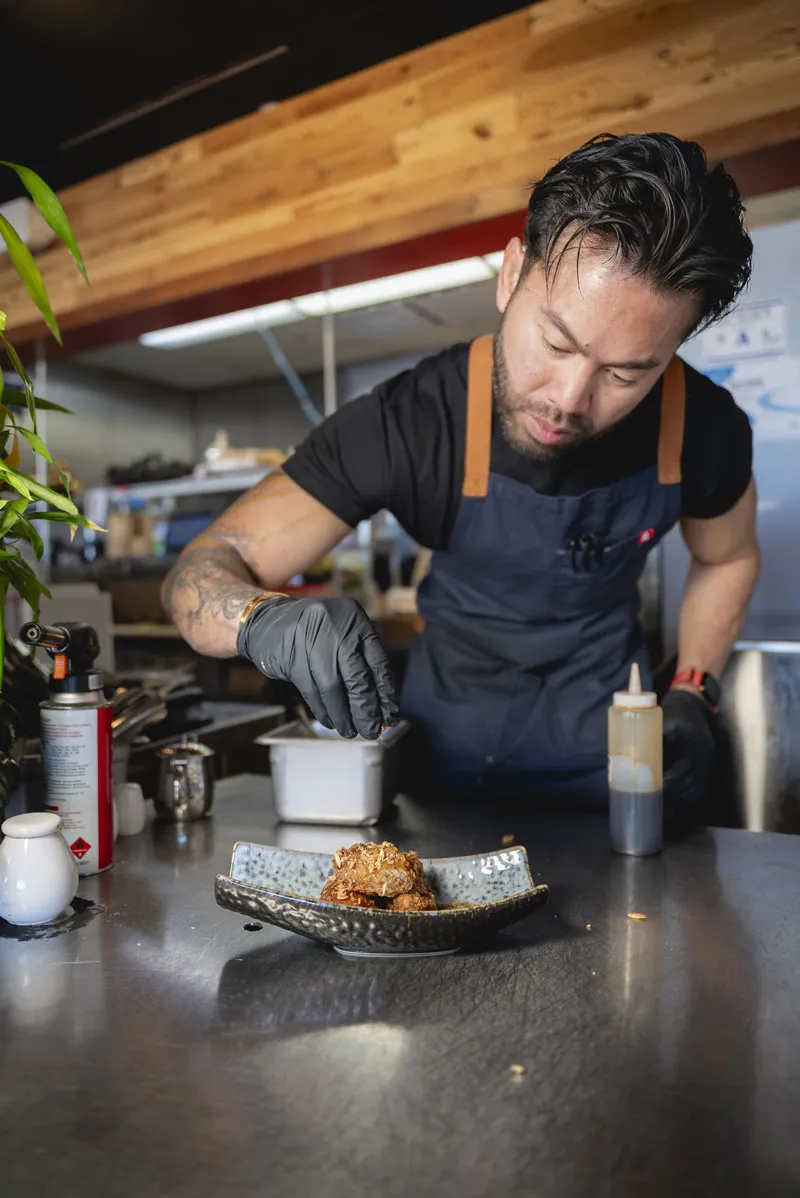
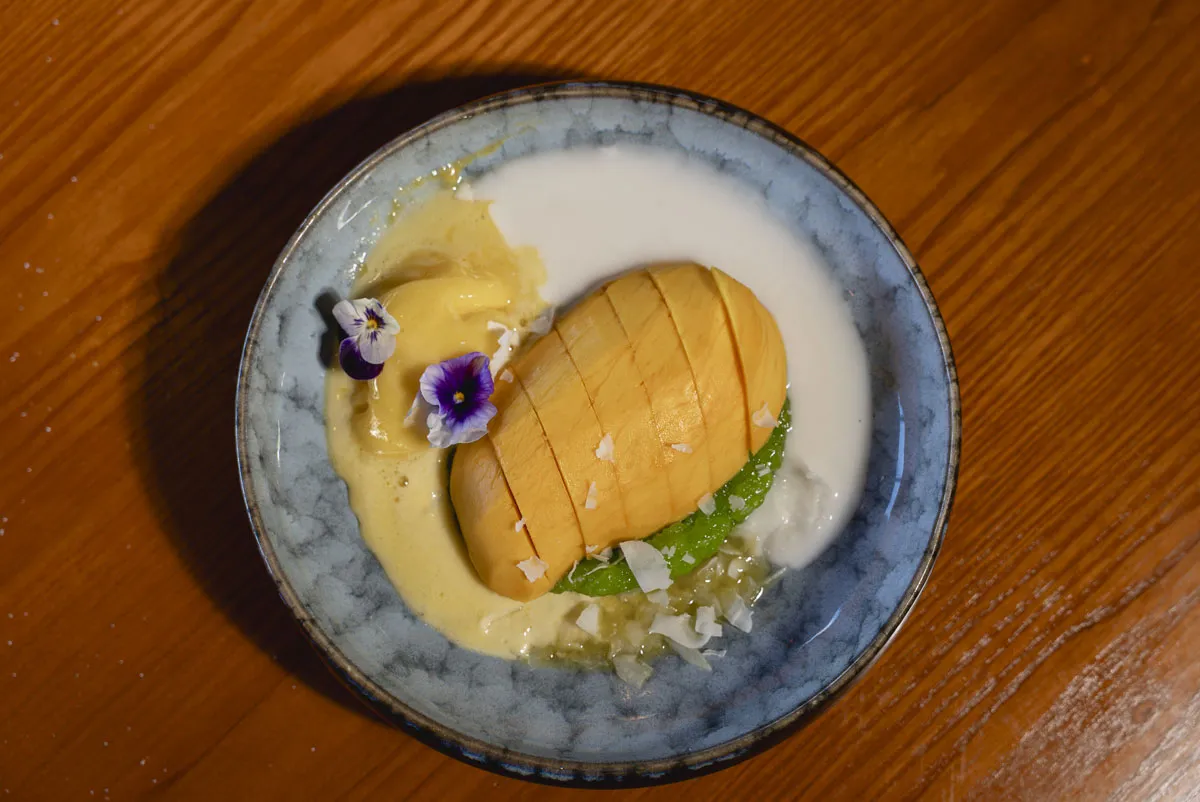
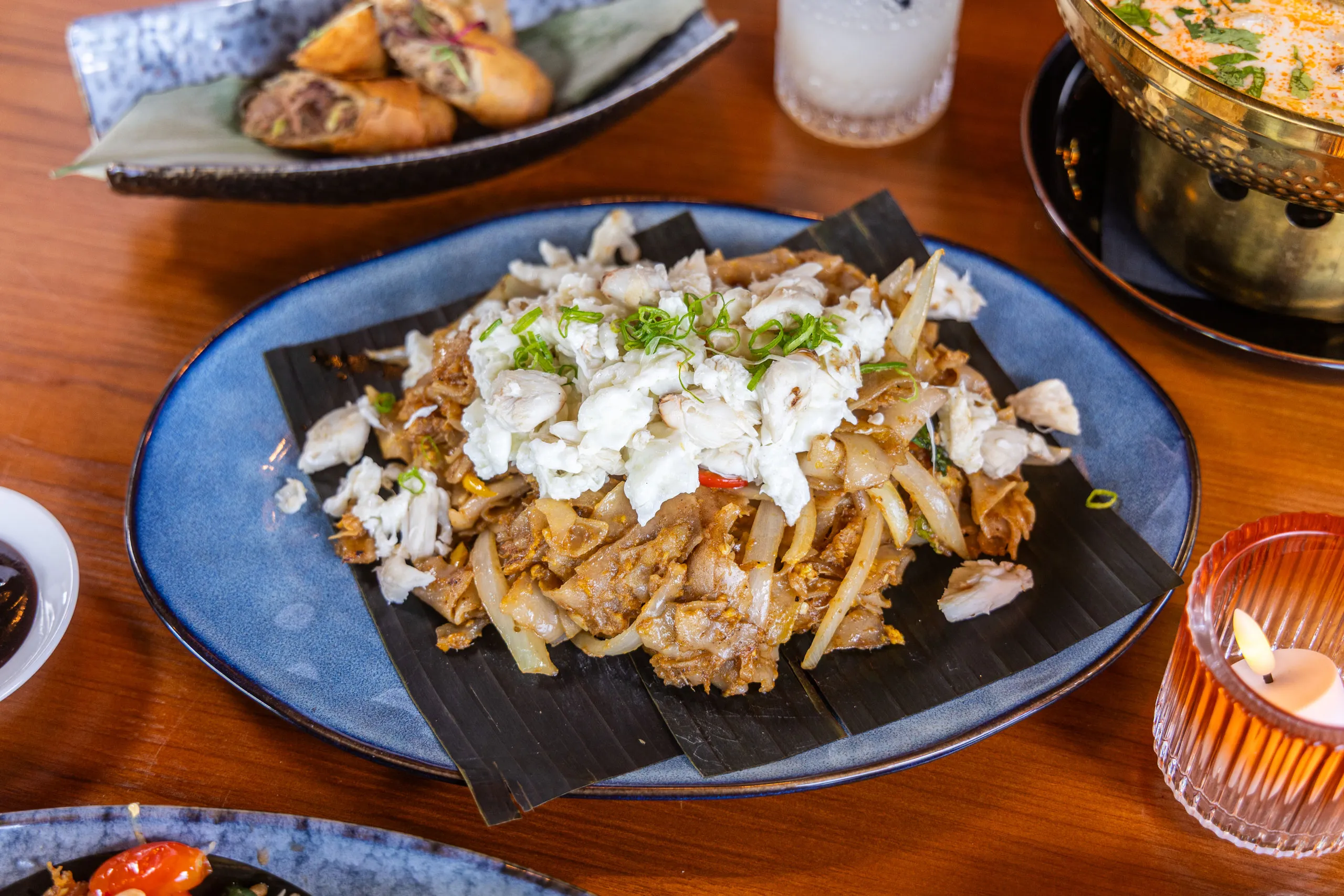
Keep the roots, break the convention. At Amata, traditional Thai flavors are the foundation, but Chef Pinyo draws on his fine-dining Chinese background and influences from neighboring cuisines like Burma and Malaysia, along with modern plating, premium proteins, and tableside elements rarely seen in a neighborhood Thai restaurant.
Elevate the Experience, Not Just the Food
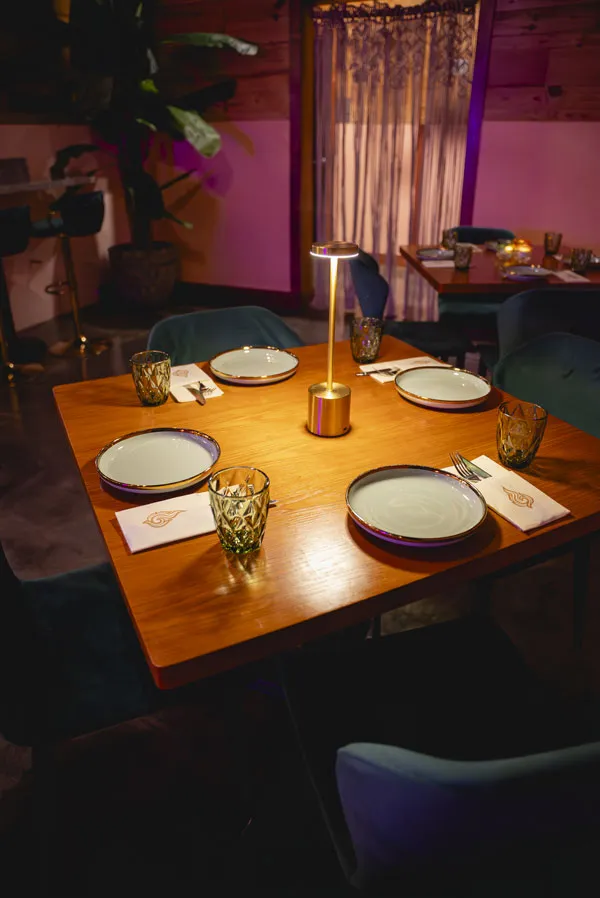
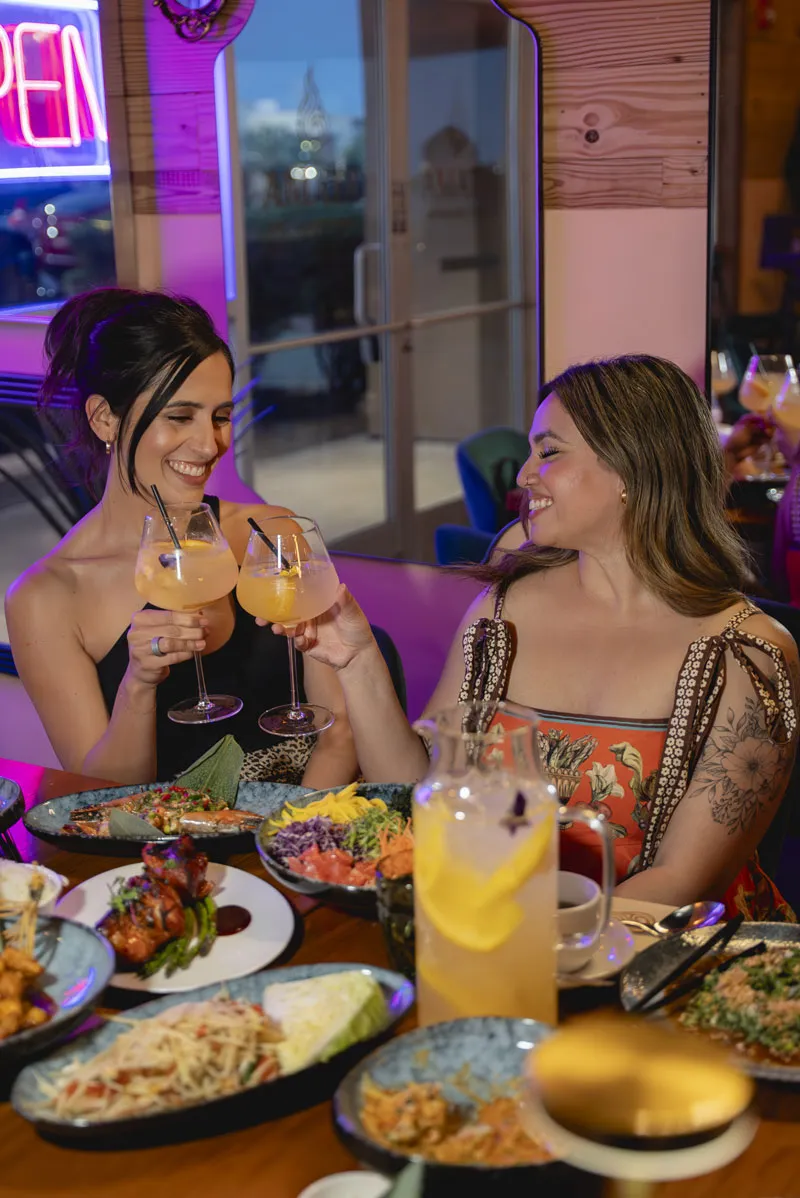
Build a complete hospitality concept, not just a menu. Food, plating, interior design, lighting, cocktails, service, branding, and music all tell one story, bringing a level of polish normally reserved for the Strip into a neighborhood setting.
Create a Category of One
Don't aim to be a slightly better version of an existing category. Aim to be difficult to compare to it at all. Amata isn't a better Thai restaurant. It's a different interpretation of what a modern Thai restaurant can be, which gives the brand a clearer identity and a reason for guests to seek it out specifically.
Build Around Market Opportunity
This is the part that repeats. Misonori isn't about opening more Thai restaurants. It's a method that can be applied to new categories, new cuisines, and new neighborhoods.
The First Proof
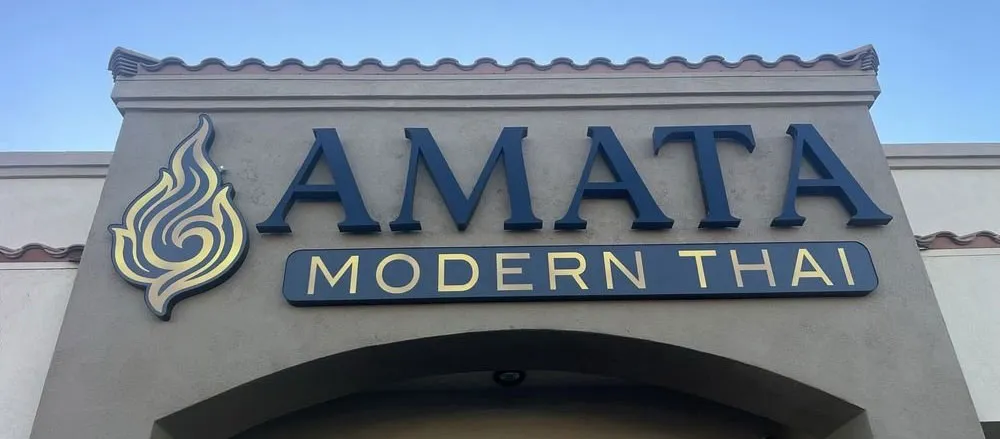
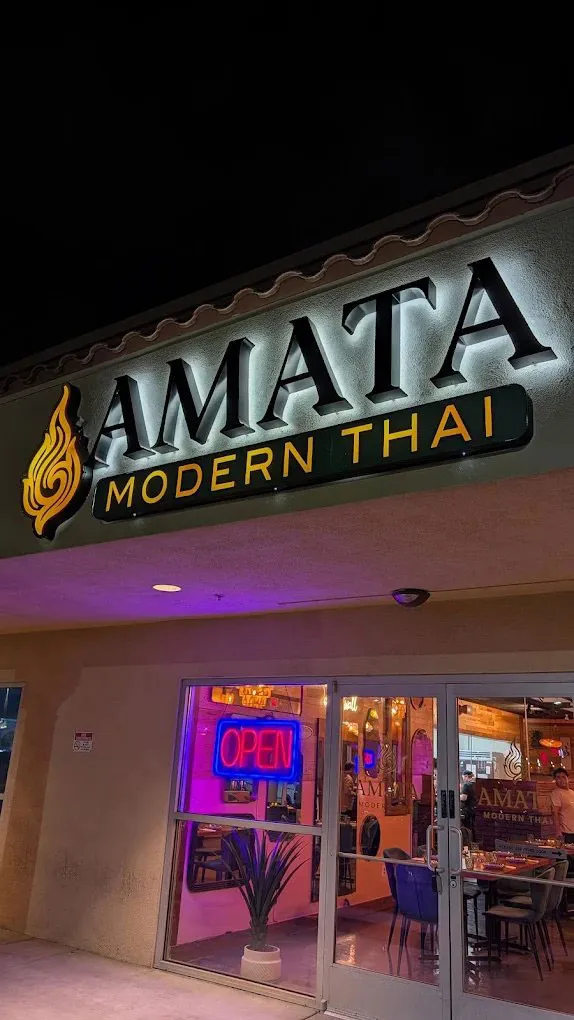
Amata Modern Thai
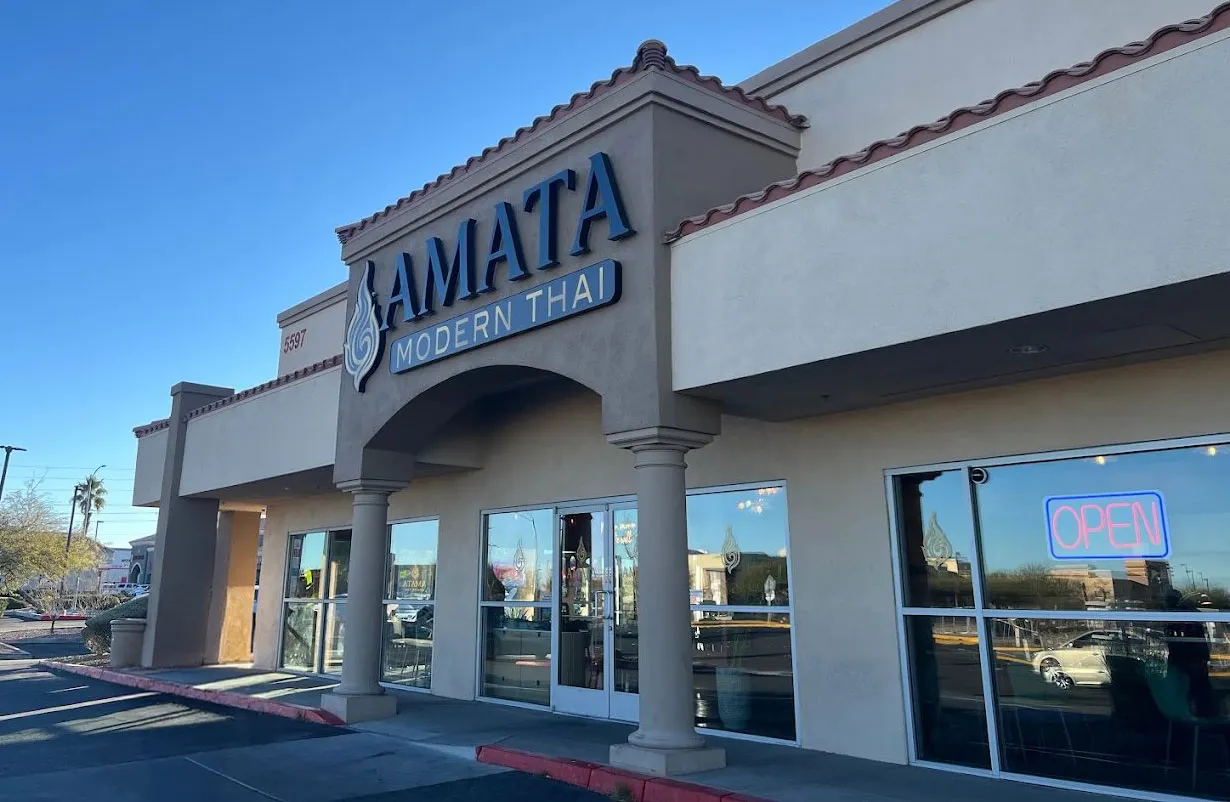
Spring Valley, Las Vegas · Misonori's first concept
Amata is the model in practice, the first demonstration that the approach works. Led by a former Hakkasan executive chef, it reimagines Thai cuisine with the technique and presentation of a fine-dining kitchen, delivered in a neighborhood setting at approachable prices.
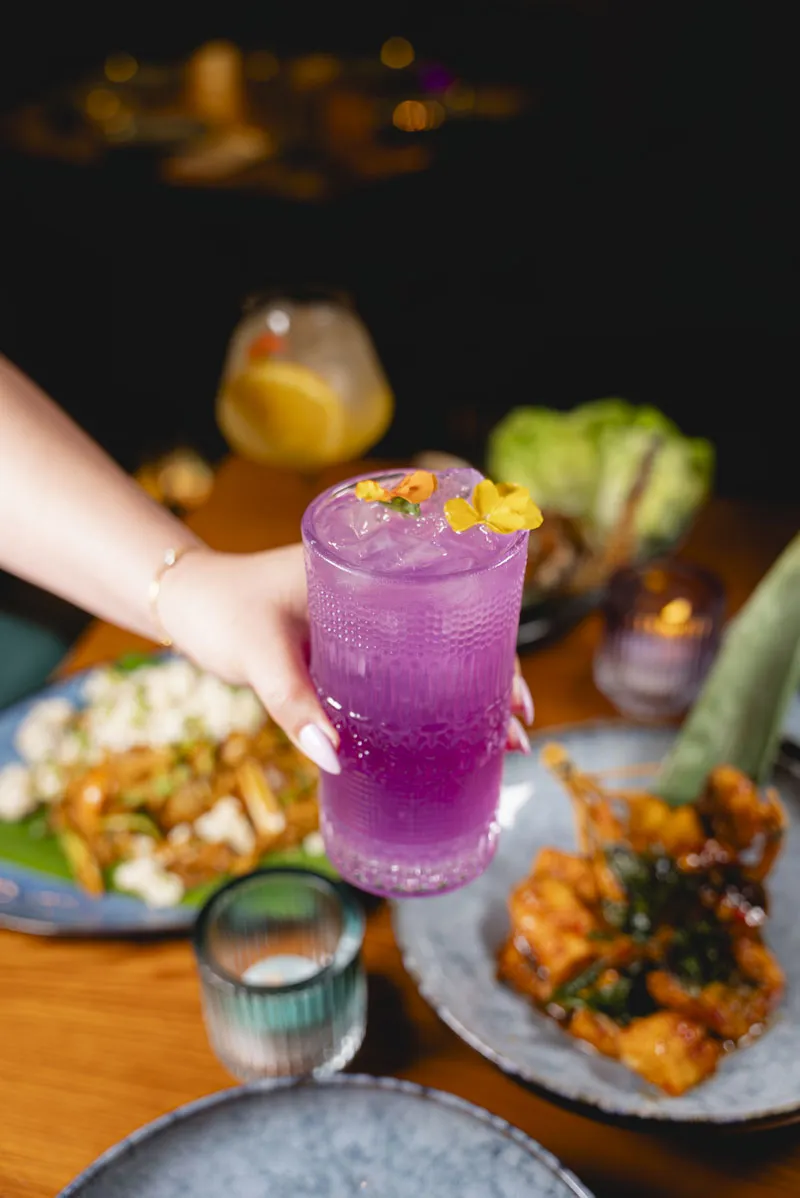
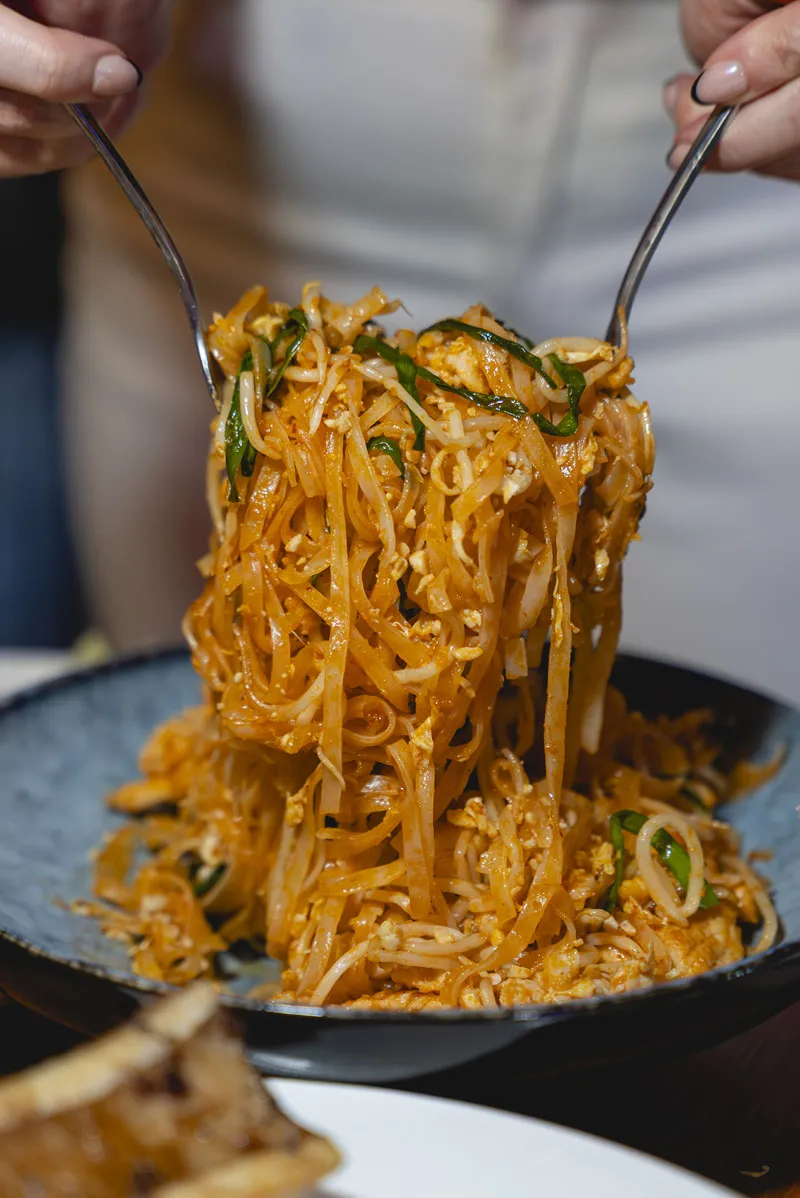
- Named one of the Top 100 Restaurants in Las Vegas by the Las Vegas Review-Journal
- ~12,000 social media followers built in its first year
- Featured by Fox 5, 8 News Now, and national dining media including The Infatuation
- Strong guest sentiment and reviews across major restaurant platforms
- Organic coverage from Las Vegas food creators and influencers
- Interest from guests, media, and established hospitality organizations alike
The recognition points the same direction the concept was designed around. From the city's largest newspaper to national dining media, the coverage reached one conclusion: Strip-quality food, at off-Strip prices.
Barely into its first year, Amata is early proof, not a finished story. But the early signals point strongly in one direction.
Why it Works
The strength of a model isn't a single success. It's whether that success can be repeated, and Misonori is designed to repeat it.
The near-term path is focused: additional Amata locations across the Las Vegas valley, extending a proven concept into new neighborhoods. From there, the group applies the same method to new concepts, new cuisines, and new formats.
That growth is already supported by the team behind it. Chef Pinyo's command spans not only Thai but classical Chinese technique and the cuisines of neighboring Southeast Asia, which means Misonori's next concepts aren't a leap into the unknown. They're built on expertise the team already has.
It targets real demand in an underserved space
Misonori builds inside categories people already want, where the existing options have gone stale, which means proven appetite and room to stand out.
It's led by skilled and proven operators
The team came up through the highest levels of Las Vegas hospitality, Hakkasan, Tao Group, the Bellagio. This isn't a first attempt at excellence; it's a continuation of it.
Differentiation is the strategy, not an accident.
Each concept is built to be a category of one, which gives it a clearer identity, stronger marketing, and a reason for guests to seek it out.
Discipline protects quality at scale
Focused concepts that do a smaller number of things exceptionally well protect the brand, the experience, and the margins as the group grows.
The proof is here. The opportunity is next.
Amata is where the model first came together. The opportunity is everything it's built to become. If you'd like to explore what comes next, let's open the conversation.